![[Earth icon]](../emblem64.jpg)
Tackling flood risk
by Tim Stout; first published 26-Jun-2026
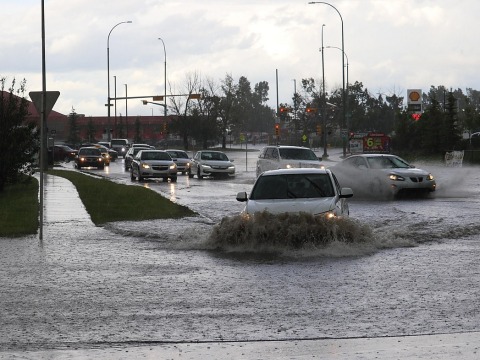
Hard surfaces are prone to flash flooding - AllThingsCoastal via Pixabay
Flooding isn't just rivers bursting their banks after days of rain. Increasingly, in our rapidly changing climate, it happens after sudden, intense "cloudburst" downpours. In 2021, parts of London saw a month's typical rainfall in one afternoon. Essex has experienced similar flash flooding. Drains were not designed for such extreme events, so roads turned into rivers in minutes, water flowed into low-lying areas and entered homes through doors, air bricks and drains. Stations were forced to close disrupting travel and emergency services, making conditions dangerous for pedestrians and drivers. River flooding is still a concern too as rivers such as the Rom and the Ingrebourne can rise rapidly after prolonged or intense rainfall.
Flood costs mount up: householders face costly clean-ups, severe damage, higher insurance premiums. Flooded transport links mean cancelled journeys and affect businesses, schools and healthcare, multiplying the impact of extreme rainfall. Emergency response, drain clearance, road repairs and clean-up operations place extra pressure on already overstretched council budgets: money that could otherwise support local services.
Street gullies, which often drain direct to rivers, can be blocked by leaves, litter and silt but prevention also starts at home. Pouring fats, oils and grease (FOGs) down the sink or flushing items such as wipes and sanitary products, creates solid masses known as "fatbergs". These can form in household pipes and cause sewage to back up into homes, leading to expensive plumber callouts. FOGs in sewers cause thousands of blockages every year, cause sewer overflows during heavy rain that pollute streets and waterways, and place huge strains on infrastructure and public finances. Residents and food businesses can help by cooling cooking fats before disposing in the bin, wiping greasy pans before washing, avoiding non-flushable items and reporting blocked street drains.
Fast water run-off from hard surfaces, such as roads, pavements and paved front gardens, increases the risk of flash flooding. This can be mitigated with rain gardens, tree planting, permeable paving and green spaces such as woodlands and wetland to absorb and retain excess water.
Floodplains are exactly what they say: areas where excess water flows to in extreme weather, so they must never be built on. We can also help protect the health of our rivers by never disposing of any toxic chemicals such as pesticides down any drains.
Helping Havering stay resilient in a stormier future will also protect our homes, our wallets and our local services.